How to Dispose of Stump Grinding Debris in Texas (Eco-Friendly Tips)
As we tackle the question of how to dispose of stump grinding debris in Texas, Phoenix Driven Services is here to guide you through eco-friendly solutions. Serving several Texas communities, we offer comprehensive tree services including stump grinding. We know that dealing with the byproducts of stump grinding can be a challenge, but with the right methods, it’s possible to handle the debris in an environmentally responsible way.
In this article, we’ll explore the various challenges associated with disposing stump grinding debris, the importance of eco-friendly practices, and the best methods available for recycling and repurposing this material. Dive in as we share useful tips to help you minimize your environmental impact while adhering to local regulations in Texas.
What Are the Challenges of Stump Grinding Debris Disposal in Texas?
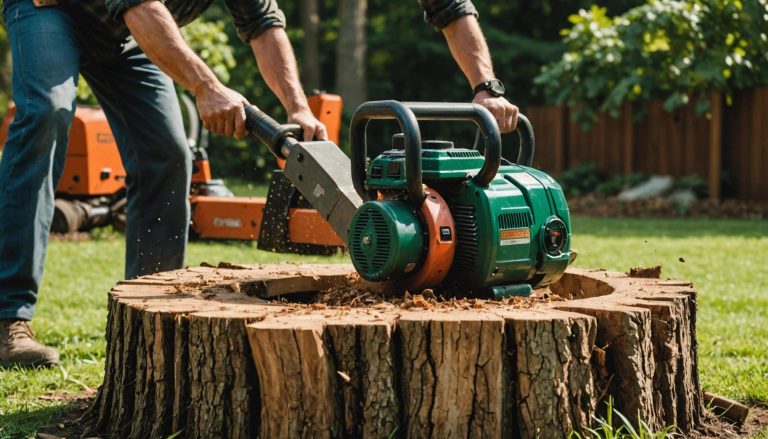
Disposing of stump grinding debris in Texas presents unique challenges, driven by the state’s diverse terrain and climate. Stump grinding, a common method to remove tree stubs, generates significant amounts of debris—primarily wood chips and soil. Proper disposal practices are crucial to minimize environmental impact and meet regulatory standards.
Space constraints can be a major hurdle, especially in urban settings like Austin or Houston, where land is densely populated. In rural areas, the sheer volume of debris from larger plots can be daunting, necessitating efficient management strategies. Each scenario requires tailored solutions for effective disposal.
The environmental conditions in Texas further complicate debris management. Extreme weather events—like flooding in low-lying areas or droughts affecting the landscape—impact how and when debris can be safely managed. This demands a flexible, climate-conscious approach to debris disposal.
Additionally, local regulations vary across the state’s numerous counties and cities, influencing what methods can be used to dispose of stump grinding debris. Navigating these regulations requires attention to detail and sometimes complex approval processes.
As we address these challenges, it’s important to consider both environmental responsibility and compliance with local regulations—ensuring debris disposal practices in Texas are not only efficient but also sustainable. For those seeking professional assistance, stump grinding services in Spring, TX offer solutions tailored to local needs.
Why Is Eco-Friendly Disposal of Stump Grinding Debris Important?
The importance of eco-friendly disposal of stump grinding debris cannot be overstated. Managing the byproducts of stump grinding in an environmentally-conscious way helps protect natural ecosystems and promotes sustainability.
Preserving Soil and Water Quality
Stump grinding debris, if not managed properly, can lead to soil degradation. Improper disposal may cause nutrient imbalances, affecting plant growth. Moreover, debris runoff during rains can pollute local water bodies, impacting aquatic life.
Promoting Sustainable Landscapes
An eco-friendly approach ensures that natural habitats remain undisturbed. By recycling or repurposing the debris, we can enrich soil quality and support healthy plant growth, promoting a sustainable landscape ecosystem. For more insights, consider exploring stump grinding services in Cypress, TX that prioritize eco-friendly practices.
Reducing Greenhouse Gas Emissions
Mismanaged stump debris can end up in landfills, contributing to methane emissions—a potent greenhouse gas. Eco-friendly disposal options, like composting or mulching, help reduce overall emissions and carbon footprint.
Up next, we’ll explore various methods available for eco-friendly disposal of stump grinding debris and how you can integrate them into your practices.
What Methods Are Available for Eco-Friendly Disposal of Stump Grinding Debris?
Disposing of stump grinding debris in an environmentally friendly way is crucial to maintain ecological balance and comply with Texas regulations. There are several innovative and sustainable methods to handle this natural byproduct responsibly. For more information on sustainable practices, consider exploring stump grinding services in Magnolia, TX.
Consider these eco-friendly disposal techniques:
- Mulching: Transforming debris into mulch is a sustainable option. It can be spread over garden beds, retaining moisture and suppressing weeds.
- Composting: Stump grinding debris is a great addition to compost piles. It breaks down over time, providing nutrient-rich material for soil improvement.
- Soil Amendments: Ground-up debris can be used directly to amend soil, enhancing its structure and fertility for better plant growth.
- Animal Bedding: Wood chips can serve as effective bedding material for livestock or small animals, offering comfort and absorbing moisture.
- Pathway and Trail Covering: Use the debris as a natural surface for garden paths or hiking trails, which keeps the area dry and weed-free.
- Donation to Community Projects: Reach out to local schools or community gardens needing wood chips. It’s a great way to give back while disposing of waste.
- Burying: In some cases, burying the debris onsite might be an option, allowing it to decompose naturally, enriching the soil over time.
By choosing these eco-friendly disposal methods, you contribute to sustainability efforts and make better use of natural resources. Next, we explore how stump grinding debris can be recycled or repurposed for even more environmental benefits.
How Can Stump Grinding Debris Be Recycled or Repurposed?
When dealing with stump grinding debris, getting creative can turn this waste into valuable resources. Rather than hauling it to a landfill, explore ways to recycle and repurpose the debris. Not only does this approach minimize environmental impact, but it also adds value to your property.
Using Mulch for Landscaping
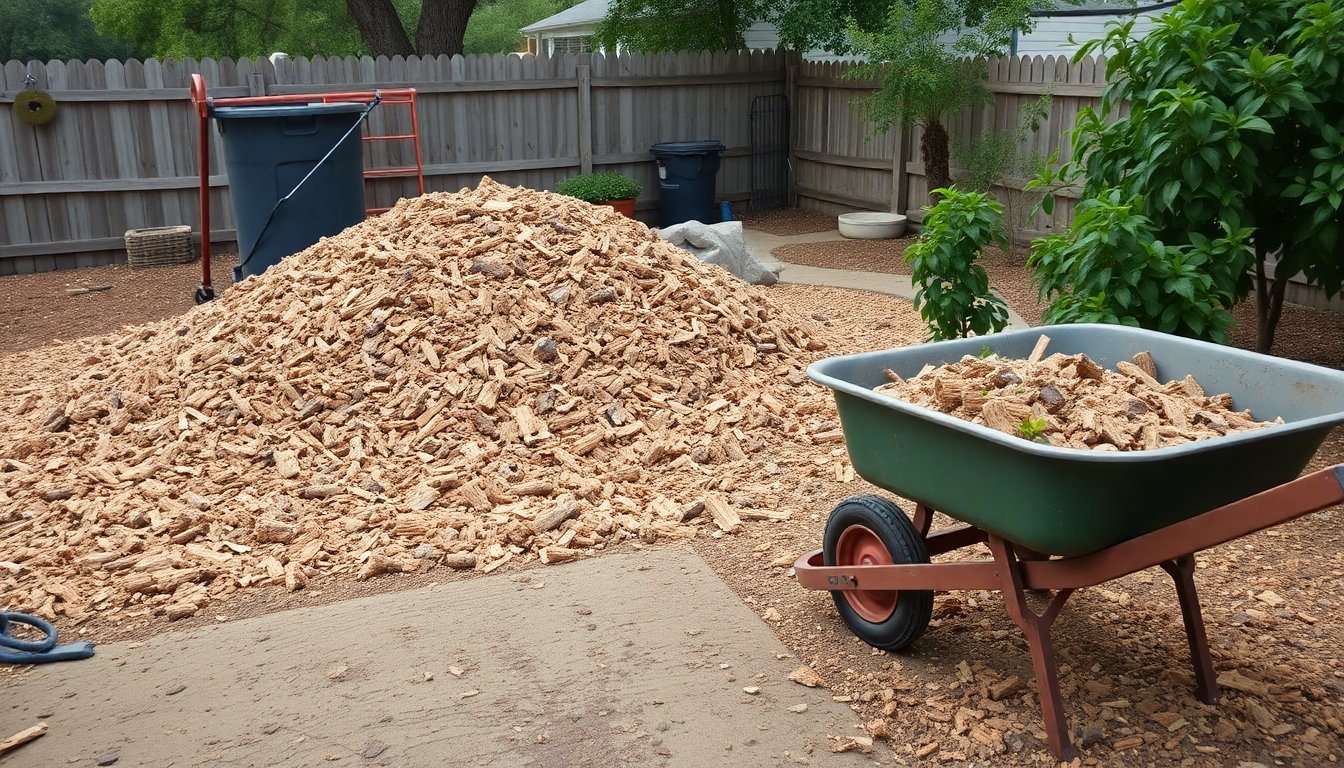
One of the most popular uses for stump grinding debris is creating mulch for your garden or landscaping projects. Mulch helps retain soil moisture, suppress weeds, and improve soil quality. Spread the mulch around your plants and trees to give your garden a polished, well-maintained look.
Creating Compost for Soil Enrichment
Another eco-friendly use for stump grinding debris is adding it to your compost pile. When mixed with other organic materials, it aids in the decomposition process, enriching the soil with nutrients. This can help boost the health and productivity of your garden over time.
Making Paths or Walkways
You can also use the debris to construct natural walkways or paths around your property. The wood chips provide a stable surface that blends seamlessly with the outdoor environment, adding a rustic charm to your landscape design.
Ground Cover for Erosion Control
Applying stump grinding debris as ground cover can help prevent soil erosion, especially on slopes or areas with poor vegetation. This method stabilizes the soil and reduces runoff, protecting your landscape and nearby ecosystems.
Consider these methods for recycling or repurposing stump grinding debris—helping the environment while enhancing your property’s appeal. Next, we’ll explore the local regulations you need to be aware of when disposing of this material in Texas.
What Local Regulations Apply to Stump Grinding Debris Disposal in Texas?
Disposing of stump grinding debris in Texas isn’t as straightforward as tossing it in the trash. There are specific local regulations that you must adhere to, aimed at protecting the environment and ensuring public safety. Here’s what you need to know to comply with these regulations:
- Check with Local Authorities: Contact your city or county waste management department to understand specific requirements for stump debris disposal in your area.
- Transportation Guidelines: If you plan to transport the debris to a disposal site, ensure your vehicle adheres to any transportation guidelines to prevent debris from spreading or causing road hazards.
- Permits May Be Required: Some areas require permits for large-scale stump grinding operations or when using specific equipment—check with local permitting offices.
- Composting Restrictions: Composting debris might be allowed in your local community compost facilities but check for any restrictions on quantities or types of material.
- Illegal Dumping Penalties: Never dump stump debris on public or private property without permission; penalties for illegal dumping can be severe.
- Recycling Centers: Some municipalities have recycling programs for organic debris like stump grindings and wood chips, so explore these eco-friendly options.
- Restrictions on Burning: Open burning of debris can be prohibited or restricted in some areas due to environmental and health concerns. Always verify local burning laws.
Adhering these regulations not only keeps you compliant but also helps support eco-friendly practices in your community. For more detailed information on stump grinding regulations in Texas residential areas, be sure to stay informed and check for any updates from local authorities.
What Tips Can Help Minimize Environmental Impact When Disposing of Debris?
Managing stump grinding debris in an eco-friendly way helps protect our environment and preserve Texas’s natural beauty. Here are some practical tips to minimize your environmental impact while disposing of debris:
- Prioritize Recycling: Whenever possible, recycle wood chips and other stump waste by using them in your garden or compost pile.
- Use as Mulch: Spread the wood chips around your landscaping to help retain moisture, suppress weeds, and enrich the soil.
- Avoid Burning: Burning debris can release harmful pollutants. Consider other disposal or repurposing methods instead.
- Check Local Guidelines: Be sure to follow any local regulations or ordinances regarding yard waste disposal specific to your area.
- Hire Responsible Services: If using a tree service, hire one that follows sustainable practices in disposing and recycling debris.
- Compost Appropriately: Certain debris can be composted. Ensure you understand the composting process and which materials break down naturally.
- Share with Neighbors: See if your neighbors can use excess mulch or debris in their own gardens or landscapes—it’s sharing and recycling rolled into one!
By following these tips, not only do you ensure proper disposal, but you contribute to a healthier environment for all. Up next, we’ll cover how stump grinding debris can be recycled or repurposed in more detail. For more insights on sustainable practices, explore the environmental impacts of tree removal in Texas.
Conclusion
Effectively disposing of stump grinding debris in Texas is essential for maintaining an eco-friendly and clean environment. By utilizing options such as reusing the debris in mulch, composting, or responsibly disposing of it through waste management services, you can contribute to sustaining the ecological balance. Taking these actions not only aids in proper land management but also promotes a greener landscape.
For professional assistance with stump grinding and other tree care needs, reach out to Phoenix Driven Services. Our dedicated team, led by Nick Oyler, is ready to offer expert tree removal, grinding, and disposal services across Spring and surrounding areas, including The Woodlands, Tomball, Atascocita, Aldine, Magnolia, Conroe, and Cypress. Contact us at 832-791-9369 or info@phoenixdrivenservices.com. Let us help you in ensuring your property is both beautiful and environmentally friendly.